
Score Current Vendors in Washington DC Market
Key Takeaways
- This article provides a guide for evaluating vendor performance, highlighting key metrics for businesses in the Washington DC area to improve their vendor selection process.
- It discusses trends shaping vendor relationships, including procurement strategies and technologies that simplify vendor evaluation and scoring.
- You’ll find tips to help businesses choose the right vendors, leading to stronger partnerships and better supplier management.
Farmers' Markets Overview in DC
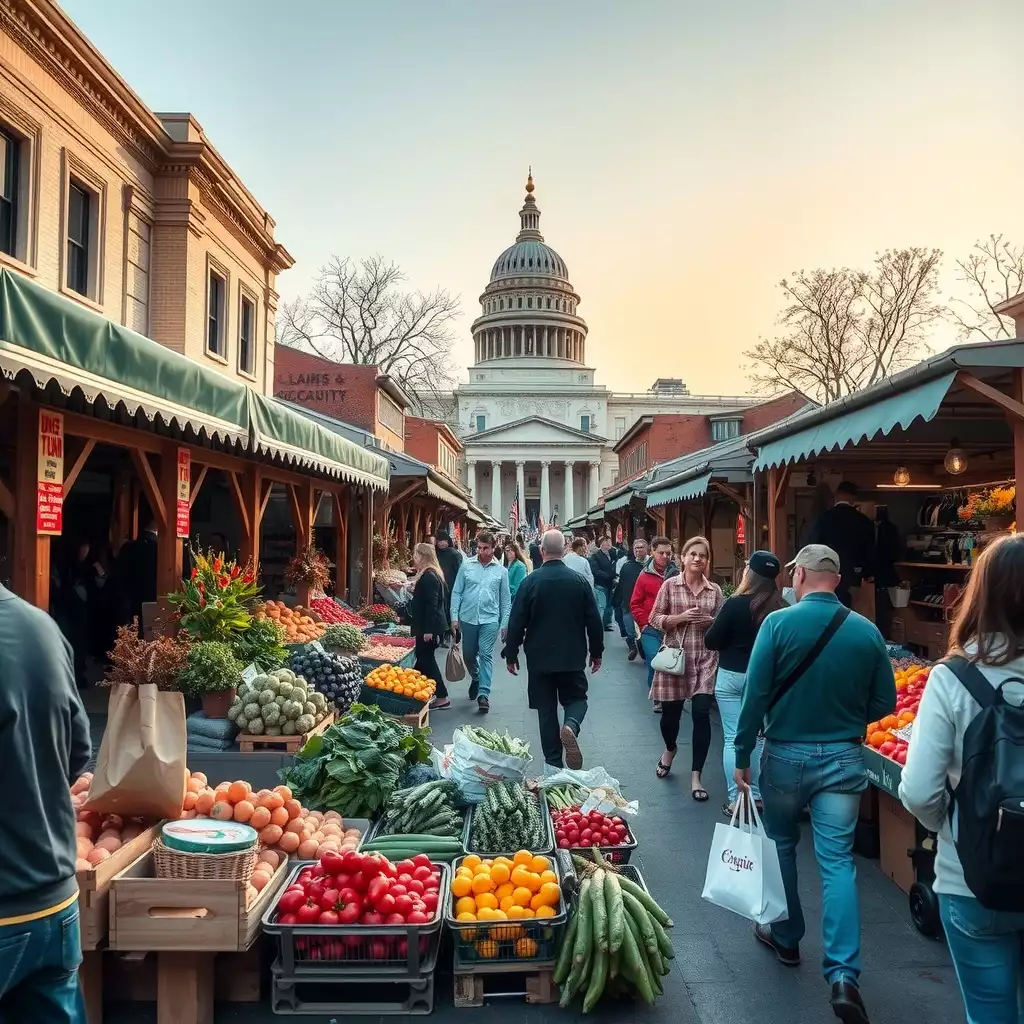
Farmers’ markets in the Washington DC area offer a vibrant mix of local flavors and community vibes. The Old Town Farmers’ Market in Alexandria, the oldest continuously running market in the U.S., and Eastern Market in DC are great places for fresh produce and community connection. With over 70 vendors, you can find artisan cheeses and handmade crafts that showcase the diverse culture of this urban setting.
These markets prioritize accessibility with free parking, public transportation options, and facilities for cyclists, making shopping easy for everyone. Programs like SNAP Double Dollars help low-income families buy fresh food while boosting vendor sales. Both locations support local economies through sustainable practices that promote healthy choices and environmental care.
These farmers’ markets carefully select vendors to ensure high-quality products while encouraging innovation among small businesses. This atmosphere attracts artisans, from woodworkers to skincare makers using eco-friendly ingredients, each offering unique items that appeal to consumers who value authenticity over mass-produced goods. As city officials partner with local entrepreneurs under growth plans to address challenges faced by small businesses, these lively marketplaces continue enriching lives across various communities in Washington DC.
Old Town Farmers' Market Highlights
The Old Town Farmers’ Market exemplifies how history and community unite in Alexandria, VA. Open every Saturday from 7:00 a.m. To 12:00 p.m., this market dates back to George Washington’s era. It’s not just a shopping venue; it’s an essential part of local heritage.
With over 70 vendors during peak season, shoppers can explore a variety of offerings, from fresh produce to handmade crafts, creating an engaging atmosphere for food lovers and artisans.
Accessibility is key, with several amenities for visitors. Free parking is available nearby, and public transportation options like the Old Town Trolley make access easy for those traveling by bus or bike. Programs like SNAP Double Dollars help low-income families participate by matching their spending at the market with extra funds, boosting vendor sales while promoting food security.
The Old Town Farmers’ Market supports innovation among its vendors by championing small businesses focused on quality and sustainability. The selection process ensures that only top artisans are included, allowing unique products, from locally sourced meats to handcrafted jewelry, to stand out for customers who value authenticity over mass-produced items.
Community involvement thrives through initiatives aimed at economic growth and social responsibility. Programs like Bike for Good Food Rescue demonstrate how teamwork enhances outreach efforts toward underserved groups while reducing food waste. As markets adapt to changing consumer preferences, and city support for entrepreneurship grows, their positive impact remains strong within Alexandria’s vibrant community.
The Pros & Cons of DC's Vibrant Farmers' Markets
Pros
-
They back local businesses, helping the community grow economically.
-
You can find a wide variety of products here, from fresh fruits and veggies to unique handmade crafts.
-
Programs like SNAP Double Dollars make shopping easier for those on a tight budget.
-
Community programs encourage sustainability and fair access to food.
-
A careful vendor selection process guarantees top-notch quality in what’s offered.
Cons
-
Short operating hours might make it tough for some people to get in.
-
Bad weather can lower attendance at outdoor markets and hurt vendor sales.
-
Finding parking could be tricky during busy times, even with free options available.
-
The process for vendors to apply can be competitive, making it hard for newcomers to join in.
-
Depending on volunteers may lead to inconsistencies in community programs.
Eastern Market Features and Offerings
Eastern Market in Washington, DC, is a vibrant location where food and art converge in indoor and outdoor spaces. Open six days a week, it features over a dozen vendors offering artisan cheeses, fresh meats, seasonal fruits and vegetables, baked goods, and unique handmade items like jewelry and artwork. This variety attracts food lovers and those interested in local art.
Community involvement is central to Eastern Market. Partnerships with city leaders have created opportunities for small producers by providing local artisans special outdoor vendor spaces each weekend. Programs like FRESHFARM Dupont Circle Market promote sustainable practices among consumers seeking fresh produce, ensuring economic growth aligns with environmental care.
Notable Vendors in DC Markets
Washington DC’s farmers’ markets buzz with energy, thanks to standout vendors offering unique products. One such vendor is Adiante Franszoon, who captivates with custom wood carvings that blend traditional Saramacca Maroon styles with modern designs. His work showcases craftsmanship and uses sustainable materials. Another highlight is Amy Marx Jewelry; her seaglass creations have received international praise and can be found in galleries worldwide. These stories reflect a trend where local artisans provide exceptional goods while fostering a marketplace culture focused on authenticity.
At Eastern Market, innovation thrives as family-owned businesses like BAMI Products deliver natural skincare options made from quality ingredients without sacrificing health-conscious values. The creative spirit continues with Barbara Chowney, whose functional pottery combines practicality and beauty while promoting sustainable practices. CANIMALS! Stands out by turning recycled cans into upcycled art, showing how creativity connects with sustainability efforts. Each vendor demonstrates a commitment to quality and community support, creating spaces where shoppers feel empowered to choose products that align with their values.
Top Score Vendors in DC Market Insights
| Vendor Name | Product Offerings | Location | Community Initiatives | Special Features |
|---|---|---|---|---|
| Adiante Franszoon | Custom wood furniture | Old Town Farmers’ Market | Supports local artisans | Traditional Saramacca Maroon styles |
| Amy Marx | Seaglass jewelry and fine art | Eastern Market | Promotes local artists through outdoor vendor space | Featured in major fashion publications |
| Aurora Bath & Jewels | Aromatherapy soaps and bath products | Old Town Farmers’ Market | Eco-friendly practices with locally sourced ingredients | Inspired by ancient Roman baths |
| CANIMALS! | Upcycled art made from recycled cans | Eastern Market | Promotes sustainability through creative expression | Focus on upcycled materials |
| BAMI Products | Natural skincare items | Old Town Farmers’ Market | Family-run business emphasizing health-conscious choices | Uses Grade A olive oil |
| Barbara Chowney Pottery | Functional pottery | Eastern Market | Supports handmade crafts by local artists | Food-safe and durable designs |
| Fresh Fruits & Vegetables Co. | Fresh produce | Old Town Farmers’ Market | Participates in SNAP Double Dollars Program | Locally sourced seasonal fruits |
| Artisan Cheese Makers | Artisan cheeses | Eastern Market | Collaborates with FRESHFARM for visibility | Unique cheese varieties |
| Local Meat Suppliers | Locally sourced meats | Eastern Market | Supports local farmers and food justice initiatives | Emphasizes sustainable farming practices |
| Handmade Crafts Collective | Handcrafted items (jewelry, artwork) | Eastern Market | Encourages public/private partnerships for local goods | Diverse range of artistic expressions |
Community Initiatives Supporting Vendors
Community initiatives in the Washington DC area support vendors, fostering collaboration and growth. Programs like Bike for Good Food Rescue help low-income residents access food while involving volunteers, building a community focused on sustainability and social responsibility. The SNAP Double Dollars initiative increases purchasing power for lower-income families and boosts sales for local vendors, strengthening both community bonds and economic health.
At Eastern Market, city partnerships have led to outreach strategies that elevate small producers. Dedicated outdoor spaces allow artisans to showcase their crafts every weekend, increasing visibility and supporting local artistry. Collaborations with organizations like FRESHFARM demonstrate how these markets promote sustainable practices; they encourage shoppers to seek fresh produce while strengthening connections between customers and vendors.
The vendor selection process across these markets ensures quality is prioritized, creating a diverse environment where unique offerings can thrive without mass production pressures. By favoring applicants who align with community values, farmers’ markets become platforms for new businesses to flourish alongside established ones.
Engagement extends beyond transactions; it includes educational programs that boost consumer awareness about locally sourced products and responsible shopping habits. This strategy helps shoppers make informed choices while motivating vendors to maintain high standards, enhancing overall market experiences.
Accessibility and Transportation Options
The Old Town Farmers’ Market and Eastern Market offer lively experiences for the community. At the Old Town Farmers’ Market, free parking is available during market hours, along with public transportation options like the Old Town Trolley and DASH buses. For cyclists, bike racks are provided, promoting eco-friendly travel. These features foster an inclusive atmosphere that attracts a diverse crowd around local vendors committed to sustainable practices.
Eastern Market also emphasizes accessibility. Open six days a week with indoor and outdoor spaces, it’s a popular destination for fresh produce and unique artisanal goods. The market collaborates with organizations like FRESHFARM to support small-scale producers and promote sustainability awareness. By connecting within the community and implementing programs for low-income customers, the markets ensure equal access to quality products while supporting local entrepreneurs.
Unveiling Secrets of DC's Vendor Landscape
-
Vendors in Washington DC offer a range of products, from artisanal foods to tech solutions. This variety showcases the city’s culture and innovation.
-
Many local vendors participate in community events and farmers' markets, creating bonds among small businesses that help them succeed in competition.
-
A common misconception is that all DC vendors are pricey; yet, there are affordable options for budget-conscious shoppers who don’t want to compromise on quality.
-
Several vendors have built partnerships with government agencies, using their services to secure contracts that often go unnoticed.
-
Sustainability matters to many DC vendors. Numerous businesses embrace eco-friendly practices and prioritize local sourcing, helping reduce their environmental impact while attracting environmentally-conscious customers.
Sustainability Practices Among Vendors
In the lively scene of Washington DC’s farmers’ markets, vendors are adopting sustainable practices that prioritize environmental friendliness. Markets like Old Town Farmers’ Market and Eastern Market encourage local sourcing, inspiring artisans to use organic ingredients and eco-friendly materials. Aurora Bath & Jewels creates eco-conscious products from locally sourced materials, while Adiante Franszoon’s woodworking features premium woods with a lower environmental impact. This focus on sustainability enhances product quality and connects with shoppers who value ethical choices.
Community initiatives support these sustainable efforts at both markets. Programs like Bike for Good Food Rescue reduce food waste by redistributing surplus produce to those in need, fostering collaboration among volunteers and local businesses. Partnerships with organizations like FRESHFARM raise awareness about fresh produce options and promote responsible shopping habits. By offering educational workshops on sustainability, vendors create an engaging atmosphere where customers can learn about caring for the planet while exploring artisanal goods that reflect community values.
Competitive Vendor Selection Processes
The vendor selection process at Washington DC’s farmers’ markets is thorough, focusing on quality and creativity, and exemplifies strong vendor management. The Old Town Farmers’ Market and Eastern Market review new vendors every three months, allowing only artisans who reflect community values or offer unique products to join. This competitive environment raises the overall quality and encourages current vendors to improve their offerings.
These markets also promote collaboration among local producers through initiatives that connect small businesses with shoppers. They provide educational programs on sustainable practices and responsible buying habits, helping customers choose handmade goods over mass-produced items. By highlighting each vendor’s story, they enhance customer experiences and strengthen community bonds, ensuring market vibrancy and social responsibility alongside a diverse selection of high-quality products.
Economic Impact of Farmers' Markets
Farmers’ markets in the Washington DC area boost local economies by supporting small businesses and bringing people together. Markets like the Old Town Farmers’ Market and Eastern Market feature over 70 vendors selling fresh produce, handmade goods, and unique items, generating sales that benefit both individual vendors and the overall market.
Programs like SNAP Double Dollars enhance buying power for low-income families while helping participating vendors increase sales, creating a win-win situation where social equity meets business success.
The lively atmosphere at these farmers’ markets sparks creativity among local producers who focus on offering unique products instead of mass-produced items. The selection process maintains high quality, as artisans continually improve their skills based on customer preferences. Community programs build connections between shoppers and vendors, teaching sustainable practices and fostering trust.
As farmers’ markets grow with city development plans, they become essential not just as shopping spots but also as vital parts of community life in Washington DC (Washington DC consolidation).
Strengthening Local Vendor Relationships
In the lively atmosphere of Washington DC’s farmers’ markets, building strong relationships with local vendors is key to creating a vibrant community. Markets like the Old Town Farmers’ Market and Eastern Market demonstrate how engaging events bring vendors and shoppers closer together. By hosting seasonal festivals or workshops about products, these markets encourage customers to connect with their favorite artisans personally.
Collaboration strengthens vendor relationships. When small businesses team up, they create exciting offerings that attract consumers while maintaining quality. Joint marketing efforts benefit both individual vendors and the market, helping them stand out in a crowded space. This teamwork fosters a network where vendors share ideas, pool resources, and tackle challenges more effectively.
As city leaders focus on economic development strategies for entrepreneurs, fresh opportunities emerge for enhancing community connections across DC. Programs that pair experienced artisans with newcomers promote skill-sharing, improving product quality throughout the market scene. These initiatives lead to sustainability while building trust between consumers and local talent contributing positively to their neighborhoods.
As shoppers learn about sourcing practices through educational programs at markets, they develop tastes aligned with community values, encouraging loyalty toward those who create authentic handcrafted items. Engaging stories from vendors enrich customer experiences; sharing personal journeys behind each unique creation fosters appreciation beyond simple transactions, a vital aspect of forming lasting bonds necessary for long-term success amid changing urban preferences.
FAQ
What are the operating hours for the Old Town Farmers' Market and Eastern Market?
The Old Town Farmers’ Market is open every Saturday from 7:00 a.m. To noon, making it a great spot for weekend grocery shopping. For more options, check out the Eastern Market! It’s available Tuesday through Saturday from 8 a.m. To 6 p.m., and Sunday from 8 a.m. To 5 p.m. Enjoy outdoor market hours on Saturdays and Sundays from 9 a.m. To 4 p.m., and Tuesdays from noon to 4 p.m.
How does the SNAP Double Dollars Program benefit vendors and customers at the markets?
The SNAP Double Dollars Program helps vendors boost sales while giving customers access to fresh produce and local products. It allows them to double their spending when using EBT cards.
What types of products can consumers expect to find at the Old Town Farmers' Market?
At the Old Town Farmers’ Market, shoppers can find fresh fruits and vegetables, hot prepared foods, meats, cheeses, breads, pastries, fresh pasta, pickled veggies, cut flowers, potted plants, handmade soaps, jewelry, and artwork.
What community engagement initiatives are highlighted in the document for both markets?
The document showcases community engagement efforts like the Bike for Good Food Rescue Program and the SNAP Double Dollars Program at the Old Town Farmers’ Market. It also highlights partnerships that support local artists at Eastern Market.
How does the vendor application process ensure quality standards at these farmers' markets?
The vendor application process at these farmers’ markets keeps quality high by reviewing new applications every three months. They focus on vendors who share community values or provide unique products, ensuring shoppers enjoy top-notch offerings.