
Are District of Columbia Temps About to Get More Expensive?
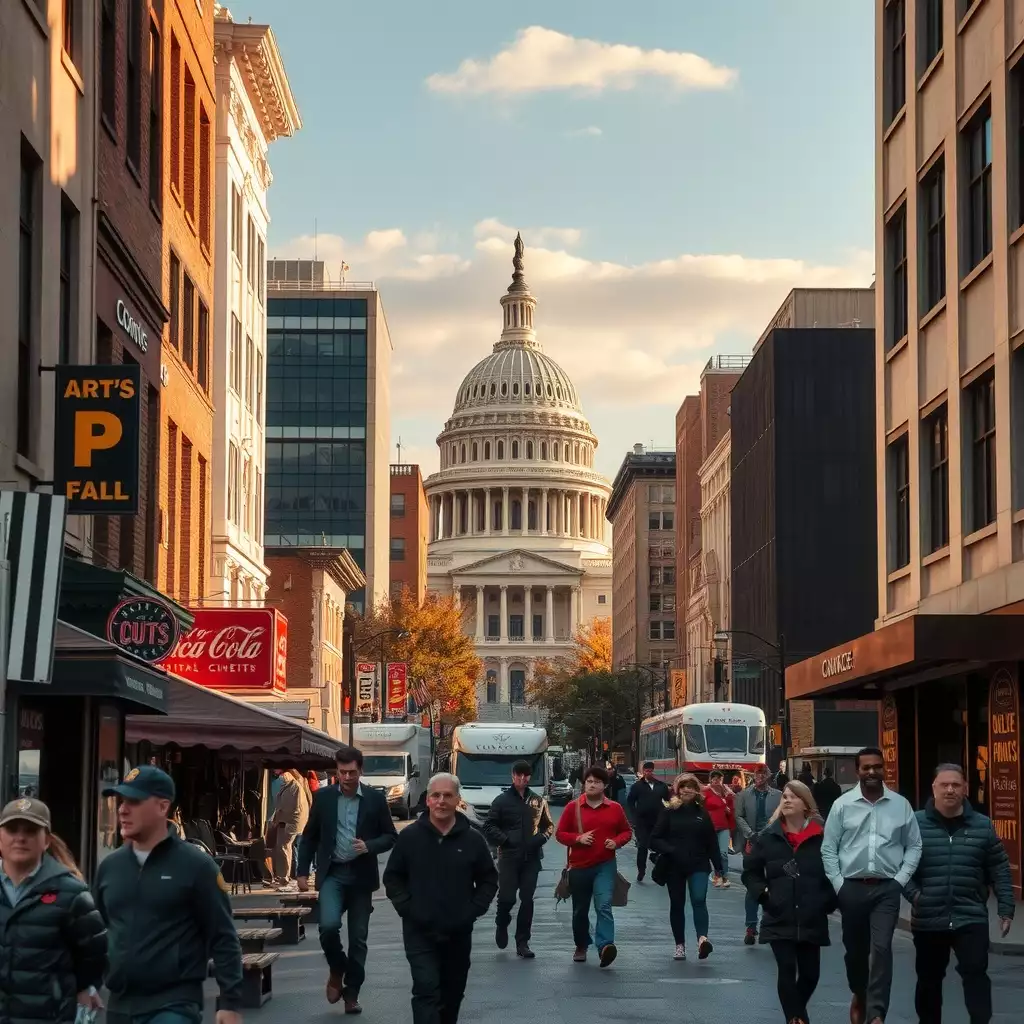
As more companies seek skilled temporary workers due to rising inflation, hiring temps in Washington D.C. Is likely to become more expensive. Many businesses are tightening budgets because of cuts in federal funding and a crowded job market, which may force them to offer higher wages and better benefits to attract talent. This situation creates a balance where pay rates aren’t keeping up with the increasing cost of living, leaving employees and local businesses facing economic challenges.
Delays in Unemployment Benefits Impacting Residents
Recent delays in unemployment benefits have left many worried about their finances, making an already tough situation harder. The D.C. Department of Employment Services (DOES) will close for the Thanksgiving holiday, meaning processing times for crucial payments will take longer. A backlog caused by service interruptions and uncertainty around federal employment means individuals relying on timely assistance may struggle to meet basic needs.
For workers seeking temporary jobs to stabilize their income, competition is increasing due to these delays. More people are entering the job market for temp positions, many hoping to fill gaps while waiting for benefits, leading to downward pressure on wages. This creates a risky situation where reliance on temporary work becomes less viable just when it should provide relief.
Rising costs further complicate matters; inflation makes every dollar count more than before. Temporary employees often find that pay rates don’t keep up with living expenses or inflation affecting food and housing prices. Instead of providing support during tough economic times, delayed unemployment checks add stress for families reliant on both aid and short-term job opportunities.
Community leaders need to act quickly to address how these issues connect with wider economic conditions impacting Washington D.C.’s workforce dynamics. By creating policies that speed up benefit payments and improve access to immediate resources like job placement services or training programs relevant to today’s job market, city officials could lessen the negative effects of long waits for assistance while building resilience among vulnerable populations throughout the district.
Federal Shutdown's Effect on Temp Job Market
The effects of the federal shutdown are shaking up Washington D.C.’s temporary job market, making it tougher for workers to find jobs. As government services slow down, many displaced employees seek temp positions to make ends meet. They quickly realize there are too many people vying for too few openings. This situation complicates their job search; those who used to transition easily into temporary roles now face long delays and red tape when accessing unemployment benefits.
At the same time, inflation is rising, driving up living costs while pay rates for temp jobs remain flat. People looking for short-term work often find that even if hired, their wages aren’t enough to cover basic expenses like housing and groceries as prices climb. This creates a frustrating cycle: relying on temporary work becomes less sustainable as economic pressures increase, leaving many feeling stuck.
Local businesses also struggle with hiring in this challenging environment; there’s strong demand for skilled temps but budget limits due to reduced federal funding complicate matters. Companies may be reluctant to raise pay or improve benefits because unpredictable government support affects their operational costs, adding pressure on both employers and job seekers.
To tackle these challenges effectively, policymakers and community organizations need to create pathways toward stable employment options beyond temporary positions. Initiatives aimed at skill development can help close gaps caused by systemic disruptions while strengthening workforce resilience amid ongoing changes in today’s labor field throughout the District.
The Pros & Cons of Rising Temp Employment Costs
Pros
-
Raising pay for temporary workers can boost their quality of life.
-
Better training programs open doors to improved job prospects.
-
Collaborations between companies and workforce groups can lead to permanent jobs.
-
Increased awareness of economic inequalities might drive policy changes that offer support.
Cons
-
Higher costs might make employers hesitant to hire temporary workers, leading to fewer job opportunities.
-
Inflation can increase faster than pay raises, putting financial stress on employees.
-
Jobless individuals face stiffer competition for the few temp positions available.
-
Slow processing of unemployment benefits worsens the financial uncertainty for those looking for work.
Economic Reliance on Federal Employment Trends
The connection between federal job trends and the economy shapes opportunities for temporary workers in Washington D.C. About 25% of jobs in the area rely on federal positions, so changes in government employment significantly impact the job market. When budget cuts or hiring freezes occur, many laid-off employees seek temp jobs to maintain financial stability. This influx into an already crowded field increases competition and limits wage growth, exacerbated by ongoing service interruptions from agencies like the Department of Employment Services.
Inflation pressures living costs, especially for essential goods and housing in D.C. This creates more challenges for those relying on temporary work. Many workers find their paychecks don’t keep up with rising expenses, making it difficult to stay afloat when they need financial security. This reality highlights the need for community leaders and policymakers to develop effective strategies that address immediate job needs while promoting long-term stability, ensuring that reliance on short-term roles doesn’t lead to ongoing instability as economic conditions change.
Homelessness Rates and Shelter Costs Rising
Homelessness in Washington D.C. Is rising, reflecting a larger economic crisis that impacts vulnerable populations the hardest. The Department of Housing and Development reports over 4,400 people are experiencing homelessness in the city. This situation underscores an urgent need for effective solutions as shelter costs climb. With winter approaching, local laws require shelters to take in those without homes when temperatures drop below freezing; yet, many facilities struggle with limited space. Families often turn to temporary options like hotel stays during cold spells, costing around $100 per night, which pressures public resources and tightens budgets for homeless families seeking warmth.
Rising living costs from gentrification and stagnant wages exacerbate this problem. Wealthy newcomers drive up rental prices in neighborhoods once affordable for low-income families. Displaced residents increasingly rely on short-term jobs as their main source of income, a risky position given today’s job market challenges. These pressures create a cycle where financial instability forces households into homelessness while making it harder to find stable employment.
As policymakers confront these issues amid growing concern about local homelessness trends, there’s an urgent need for innovative strategies focused on long-term housing solutions instead of quick fixes. By increasing shelter availability and ensuring access to meaningful job opportunities, we can help lift people out of poverty and strengthen community resilience against future economic downturns, highlighting how interconnected various social issues are in urban areas like D.C.
Forecasting D.C. Temperature Cost Trends
| Key Insight | Details | Impact on Temps | Relevant Statistics | Recommendations | Additional Notes |
|---|---|---|---|---|---|
| Unemployment Insurance Benefits Delays | Service interruptions may postpone payments for unemployment benefits. | Increased financial strain on residents | N/A | Ensure timely communication about delays | Affects those reliant on temp jobs |
| Impact of Federal Government Shutdown | Backlog in claims due to shutdown may increase competition for temporary jobs. | Higher competition for limited positions | 25% of jobs tied to federal employment | Streamline claim processes | Online filing available |
| Economic Landscape | D.C.’s economy relies heavily on federal jobs; fluctuations can impact local job markets. | Job market vulnerability | Median household income: $92,266 | Monitor economic trends | Disparities exist within demographics |
| Homelessness and Shelter Costs | Insufficient shelter units lead to increased hotel costs during winter months. | Rising demand for affordable housing | 4,410 homeless individuals reported | Increase shelter capacity | Hotel rooms average $100/night |
| Rising Living Costs | Gentrification leads to demographic shifts and rising rental prices, affecting low-income workers. | More challenging environment for temps | African American population decreased by 11% | Implement programs for wage increases | Affluent populations moving into areas |
| Job Market Dynamics | Competitive job market with many vying for limited temp positions amid uncertainties. | Limited opportunities for unemployed | N/A | Enhance job training and skill development | Career Ready DC program exists |
| Federal Spending Trends | Potential budget cuts could affect funding for services supporting temp workers. | Risk of reduced support for unemployed | Historical context of New Deal spending | Advocate for continued federal support | Budget reallocations may impact services |
| Public Services Accessibility | Limited access to job search resources during holiday closures complicates finding temp work. | Hinders immediate job search efforts | N/A | Improve accessibility of job centers | In-person services at American Job Centers |
| Inflationary Pressures | Rising costs across sectors pressure wages offered through temp agencies. | Vulnerability for temporary workers | N/A | Adjust pay rates to reflect inflation | Pay rates slower to adjust than permanent |
Gentrification Driving up Living Costs
Gentrification in Washington D.C. Is changing the economic field and driving up living costs. Neighborhoods that were once affordable are becoming expensive as higher-income residents move in, leading to skyrocketing rent prices. Long-time locals struggle to keep up with rising costs, which changes their communities and strains low-wage workers who rely on temporary jobs for financial security.
As new developments arise and property values increase, many working-class families are pushed out of neighborhoods they’ve lived in for generations. With fewer affordable housing options available, those seeking temporary work face challenges just to make ends meet. While gentrification promises revitalization, it often marginalizes vulnerable people, many depend on short-term jobs for survival instead of using them as stepping stones toward better opportunities.
The relationship between gentrification and economic inequality needs urgent attention from policymakers and community advocates. Local organizations should collaborate on initiatives that preserve affordable housing and offer job training programs for displaced workers or newcomers. By addressing these interconnected issues, D.C.’s leaders can tackle immediate concerns and help build strong communities that maintain their cultural identity and diversity amid economic changes.
Competitive Dynamics in Temp Job Market
The temporary job market in Washington D.C. Is struggling as the economy shifts, particularly with many displaced workers seeking quick employment due to disruptions in federal services. Competition is fierce; job seekers face not only each other but also delays in unemployment claims. This oversupply makes even low-paying jobs hard to secure, complicating financial stability for these workers.
As inflation rises, wages for temp positions remain stagnant, adding stress for those relying on these jobs. Many temps find their paychecks insufficient against soaring housing and living costs. This gap creates a stressful environment, short-term work no longer offers the support it once did during uncertain times. For residents grappling with high expenses in an unpredictable job market, every paycheck feels like a race against mounting bills.
To address these issues, local businesses must rethink hiring amid tight budgets influenced by changing federal funding and ongoing labor shortages in key sectors. By collaborating with community organizations, employers can create better long-term job opportunities rather than just filling temporary roles, helping develop skills that prepare employees for higher-paying positions instead of getting trapped in cycles of unstable low-wage temp work. Prioritizing fair pay that reflects today’s economic reality and improving access to industry-specific training will help ease pressures from increasing competition in D.C.’s temp job market.
Rising Costs of Living in the Capital
-
Rent for a one-bedroom apartment in Washington, D.C., is now over $2,500 per month in many neighborhoods, highlighting demand to live here.
-
Grocery prices are rising in the District. Residents have noticed that items like milk and eggs cost more than elsewhere in the country, forcing families to rethink budgets.
-
Public transportation fares are increasing as the Washington Metropolitan Area Transit Authority addresses funding issues. Commuters may need to explore alternative transport options or adjust spending.
-
A recent survey found that nearly 60% of D.C. Residents feel financially squeezed due to rising living costs. This impacts daily life and makes it hard to manage expenses.
-
Many believe salaries in D.C. Are higher because of the cost of living; yet, many workers find their pay raises aren’t keeping up with inflation, making it challenging even with decent wages.
Federal Spending and Job Creation Insights
Changes in federal spending directly impact job creation in Washington D.C., where about 25% of the workforce is employed by the government. When budgets tighten or grow, local businesses and temp agencies face an unpredictable economic environment. If federal funding decreases, companies may slow hiring and be cautious about raising wages for temporary jobs. If new stimulus measures arise from recovery efforts after the pandemic, similar to past initiatives like the New Deal, we could see infrastructure projects that create jobs and boost demand for skilled workers.
As inflation rises, affecting food prices and housing costs, these economic factors become more complex. Temporary workers often face challenges; they need immediate income through short-term jobs but encounter fierce competition and stagnant wages. Their earnings aren’t keeping up with rising living expenses. This situation highlights the need for policymakers to implement strategies that support both employers and employees, ensuring fair pay while creating pathways to stable career opportunities beyond temporary work.
Accessibility of Public Services for Job Seekers
Job seekers in Washington D.C. Face significant obstacles accessing public services, especially during economic downturns and federal service disruptions. The Department of Employment Services (DOES) provides essential support through online claim filing, but holiday shutdowns can create backlogs that delay unemployment benefits for many who rely on them. This bottleneck makes it harder for those seeking temporary work to get the help they need. Even when American Job Centers reopen, limited hours and staffing issues hinder job seekers.
With rising inflation and living costs driven by gentrification, job seekers struggle as every dollar earned falls short against soaring expenses. Those in temp positions often find their pay doesn’t meet market demands or personal needs, highlighting the urgent need for better services from local agencies. Policymakers should focus on improving access to job placement programs and vocational training tailored to today’s job market, ensuring fair chances for all individuals.
Addressing these interconnected problems is essential for D.C.’s leaders to build resilience among vulnerable populations amid ongoing economic changes. By simplifying benefit payment processes and expanding outreach efforts to underrepresented communities needing workforce development resources, city officials can facilitate a transition from unstable temporary jobs to more secure career paths, an important step toward alleviating pressures faced by households struggling with high living costs and uncertain job prospects.
Inflation's Influence on Temp Wages
Inflation in Washington, D.C., is affecting the temporary job market and making it tougher for workers. As prices rise for everyday items and services, temp employees struggle to make ends meet. Many seek short-term jobs as a quick solution, but stagnant pay rates mean these positions often fail to cover rising costs. This gap between inflation and wage growth makes relying on temporary work riskier.
The job market is highly competitive. Federal service interruptions are delaying unemployment benefits, prompting many unemployed workers to seek immediate income in this sector, leading to increased competition. This oversupply of applicants may discourage employers from raising wages or improving benefits due to tighter budgets from reduced government funding, keeping temps in a difficult position during economic downturns and limiting companies’ ability to hire skilled workers at fair wages.
Rising living costs from gentrification and stagnant wages for temp jobs require urgent action from policymakers and community leaders. By focusing on initiatives that increase pay standards and provide access to skill development programs suited for today’s economy, stakeholders can help ensure that D.C.’s workforce thrives despite ongoing challenges posed by inflation, ultimately creating better opportunities amid changing local circumstances.
Addressing Temporary Employment Challenges
The temporary job market in Washington D.C. Has become challenging as economic pressures rise and competition grows. Federal agencies face service interruptions, leading many to compete for a limited number of temporary jobs. This often results in frustration, as job seekers receive low paychecks that do not keep up with the rising cost of living. As inflation climbs, finding steady income becomes tougher; workers with stagnant wages struggle against increasing housing costs and daily expenses.
Delays in accessing unemployment benefits add to these struggles. Those relying on this support face red tape that complicates their efforts to secure temporary work while seeking financial stability during uncertain times. This situation stresses households and puts pressure on local businesses trying to fill important positions without overspending due to inconsistent government funding.
Addressing these issues requires community leaders to focus on strategies that improve access to essential services and training programs aligned with today’s job market needs. By building partnerships between employers and workforce development groups, we can create pathways that help displaced workers move from unstable temp jobs into reliable careers, ensuring fair pay aligns with current economic conditions while helping vulnerable populations build long-term resilience.
As gentrification changes neighborhoods throughout D.C., it highlights inequalities among residents who struggle with rising living costs compared to those benefiting from increased property values brought by wealthier newcomers. Tackling this issue means creating innovative solutions focused not just on immediate relief but also sustainable approaches aimed at maintaining affordable housing while improving job access, ultimately fostering community unity amid ongoing changes impacting social dynamics and the economy across the city.
FAQ
What are the main factors contributing to the rising costs of temporary employment in D.C.?
The rising costs of temporary jobs in D.C. Come from several key factors. First, delays in unemployment benefits make it tough for people to get by. Second, competition for available jobs increases due to changes in federal employment. Third, inflation is driving wages up, adding pressure on budgets. Gentrification raises living expenses and affects affordability across the city.
How does the federal government shutdown impact job availability for temporary workers?
When the federal government shuts down, more people compete for temporary jobs because those who lose their federal positions seek stability. This makes it harder for current temporary workers to find available roles.
What role does gentrification play in the changing demographics and living costs in D.C.?
Gentrification is a factor in shifting demographics and increasing living costs in D.C. It pushes wealthier people into lower-income neighborhoods, causing rental prices to rise and displacing long-time residents, especially within African American communities.
What recommendations are made to support temporary workers facing economic challenges?
To help temporary workers with economic issues, we suggest setting wage standards, improving training programs, and building partnerships between businesses and workforce development groups. These steps can create paths from temporary positions to permanent employment.