
Align Washington DC Policies with Federal Guidance
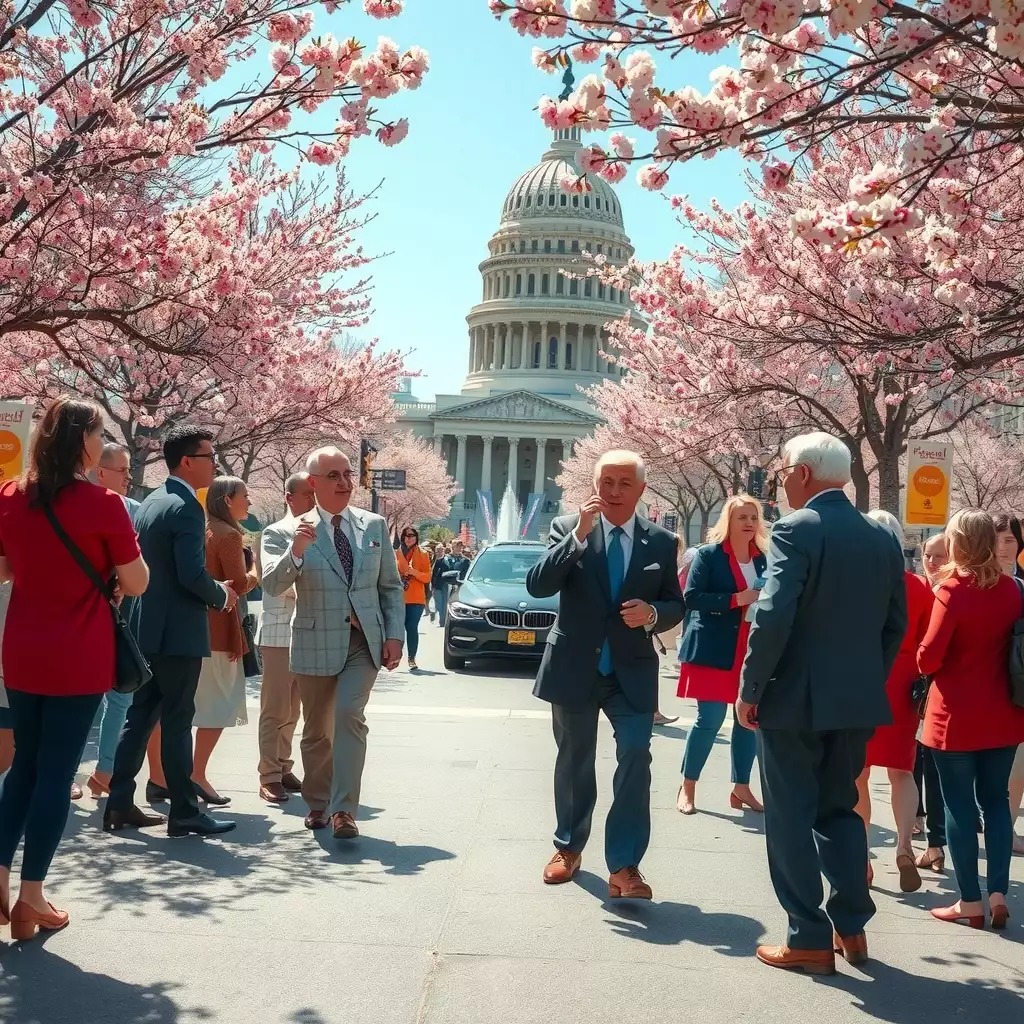
As policies change, local governments in Washington D.C. Must work with federal guidelines. This article explores how this teamwork helps ensure compliance, boosts transparency, and encourages community involvement. You’ll learn why collaboration among government officials, advocacy groups, and citizens is essential for creating effective policies that address job creation and drug control. We’ll share steps you can take to align local efforts with national goals while promoting sustainable growth in your community.
Understanding the Role of Federal Guidelines
Federal guidelines shape local governments and Washington DC hybrid work policy, ensuring that actions at the state or city level align with national goals. These guidelines set standards for job programs, retirement planning, and drug prevention efforts. By following rules from agencies like the Office of Personnel Management (OPM) and the Department of Defense (DOD), Washington D.C. Can improve operations while aligning with federal strategies.
When local policies align with federal guidance, it promotes transparency and accountability among government bodies. This alignment enhances communication between different levels of government and encourages collaboration for community well-being. As issues like drug enforcement evolve, syncing state actions with federal protocols becomes vital. This coordination reduces compliance risks and empowers communities by providing access to resources that enhance public safety and workforce development tailored to their needs.
Enhancing Local Retirement Systems Alignment
Aligning local retirement systems with federal guidelines is an important strategy that can improve life for people in Washington D.C. By using resources from the Office of Personnel Management (OPM), local officials can make retirement benefits easier to access and manage. This connection delivers better services, reduces red tape, and ensures retirees receive their benefits quickly.
As OPM rolls out new online tools to speed up annuity management, city leaders in D.C. Need to adapt their systems. The upcoming special rates for law enforcement officers present an opportunity for local governments to align closely with federal initiatives, creating solutions that recognize the hard work of public safety professionals. By doing this, local authorities not only stay compliant but also show support for those who serve their communities.
Municipal agencies overseeing retirement programs must prioritize training sessions focused on federal updates. These sessions will help officials understand changing regulations and encourage teamwork between state workers and federal representatives, essential for tackling challenges during implementation. Establishing clear feedback channels allows everyone involved, from retirees to policymakers, to share concerns or suggestions about policies impacting retiree lives.
Improving how local retirement systems align with federal standards offers a path toward building support structures that reflect community values while meeting national goals. This effort, through collaboration among various groups, including reform advocacy organizations, lays the groundwork for sustainable growth in Washington D.C.’s diverse population.
The Pros & Cons of Policy Cohesion
Pros
-
Makes sure we follow federal laws to lower legal risks.
-
Boosts how efficiently we operate by simplifying processes and sharing resources.
-
Increases public safety by aligning drug prevention efforts with national guidelines.
-
Creates better job opportunities for locals through improved training programs.
-
Encourages openness and responsibility in government activities.
Cons
-
Federal restrictions might restrict local flexibility in meeting the unique needs of communities.
-
Coordinating efforts among different agencies can be a lengthy process.
-
Increased bureaucracy could slow down decision-making.
-
If federal guidelines change often or aren’t communicated clearly, it can lead to misalignment.
-
Community organizations may struggle to adjust to new limitations on support.
Aligning Local Hiring with Federal Initiatives
Bringing together local hiring practices with federal programs is crucial for creating a diverse and effective workforce in Washington D.C. When these efforts work together, the city can maximize resources and training designed to boost job opportunities across sectors. Federal guidelines promote merit-based hiring, holding employers accountable and encouraging diversity, ensuring fair access to employment.
Local governments should collaborate with agencies like the Office of Personnel Management (OPM) to implement updated training programs for veterans transitioning to civilian jobs. This partnership enhances local hiring by incorporating national best practices while addressing community needs. Cities can develop better employment systems that support veterans.
Aligning recruitment policies allows local areas to access federal funding aimed at enhancing workforce development initiatives. This alignment brings financial support for innovative programs focused on skills training and career growth, especially in high-demand fields like technology and healthcare. By utilizing federal resources, Washington D.C.’s government can implement changes that benefit residents through improved economic stability.
Transparency in how local agencies handle hiring ensures compliance with federal standards while building trust within affected communities. Regularly assessing recruitment results using federally required metrics promotes continuous improvement among municipal organizations; this data-driven approach helps officials identify gaps or challenges hindering progress.
Strengthening cooperation between local employment efforts and federal directives demonstrates a commitment to not just following regulations but also nurturing resilient communities ready to thrive as labor dynamics evolve. Ongoing conversations among stakeholders, from policymakers to advocacy groups, create a structure for successful collaboration, paving the way for sustainable growth throughout Washington D.C.’s field.
Aligning Local and Federal Counterdrug Efforts
To effectively tackle drug-related issues in Washington D.C., it is crucial to align local counterdrug efforts with federal initiatives. The Department of Defense (DOD) and National Guard Bureau provide funding and guidelines that enhance the capabilities of local jurisdictions. This support ensures compliance with Title 10 and Title 32 U.S.C., which govern military assistance. When local authorities collaborate with federal agencies, they can access resources and implement programs aimed at reducing substance abuse.
Incorporating community-based approaches allows for customized solutions to regional challenges linked to drug trafficking. Local governments must work closely with federal agencies to share intelligence and best practices while respecting civil liberties during data collection, as outlined in directives from the Secretary of Defense. This partnership establishes a structure where law enforcement receives specialized training through National Guard Counterdrug Schools, equipping them with skills for civilian situations.
Creating annual State Plans detailing fund usage boosts accountability among all parties while aligning actions with federally mandated goals. These plans ensure every dollar spent contributes to measurable public safety outcomes without compromising military readiness or resource efficiency across state lines. Communities develop a network focused on innovative methods for drug interdiction that respect legal standards but remain adaptable to new threats.
Open communication between different levels of government strengthens commitment to tackling substance abuse challenges in Washington D.C. Regular assessments should evaluate progress under aligned policies; these evaluations will help make necessary adjustments based on changes related to illegal drugs and their impact on society, ensuring ongoing effectiveness when addressing critical social concerns.
Bridging Local Policies with Federal Standards
| Area of Focus | Key Points | Federal Guidance Source | Implementation Deadline | Collaboration Needs | Training Requirements |
|---|---|---|---|---|---|
| Retirement Management | Online services for retirement annuities with real-time updates | Office of Personnel Management | By 2026 | Local agencies and OPM | Regular training on new systems |
| Veterans Employment Initiatives | Updated training modules to enhance veterans’ employment opportunities | Office of Personnel Management | Ongoing | Local hiring entities and OPM | Continuous training sessions |
| Executive Management Accountability | New regulations on accountability and SES rating guidance | Office of Personnel Management | Immediate | All levels of government | Workshops on transparency |
| DOD Counterdrug Program | $1.33 billion appropriated for National Guard’s counterdrug programs | Department of Defense | FY 2019 – FY 2024 | Coordination with local jurisdictions | Specialized counterdrug training |
| Mission Categories | Nine mission categories for authorized counterdrug activities | Department of Defense | Ongoing | DOD and local law enforcement | Training on operational limits |
| Community-Based Support Restrictions | Limitations on support for recognized community organizations | Department of Defense | Immediate | Local community organizations | Awareness training on compliance |
| Data Sharing Agreements | Development of agreements among law enforcement agencies | Various federal guidelines | Ongoing | Inter-agency collaboration | Training on data privacy |
| Transparency in Operations | Regular audits for fund allocation and usage | Various federal guidelines | Ongoing | State and local governments | Workshops on accountability |
| Assessment Plans Development | Comprehensive assessment plans for evaluating policy effectiveness | Various federal guidelines | Periodic reviews | All governmental levels | Training on assessment methodologies |
Fostering Public Support for Policy Changes
Building support for policy changes in Washington D.C. Requires a hands-on approach focused on clear communication and community involvement. Public awareness campaigns can help educate people about how local policies connect with federal standards, particularly regarding job opportunities and drug control efforts. By showing residents how these connections affect their lives, like better job options or improved safety measures, local governments can encourage ownership and push for necessary changes. This grassroots involvement boosts transparency and builds trust between government agencies and the communities they serve.
Creating ways for citizens to share their thoughts allows them to voice concerns and provide insights into potential issues with proposed policies. Involving advocacy groups and stakeholders in discussions about new initiatives ensures different viewpoints are heard, a key element in developing effective governance strategies. Regularly assessing how policies impact the community enables local agencies to adjust quickly based on feedback and changing circumstances, reinforcing alignment with federal goals while empowering citizens in the policymaking process. This collaborative environment increases public confidence in government actions aimed at achieving sustainable growth across Washington D.C.’s diverse field.
Facilitating Collaboration Through Data Agreements
Collaboration through data agreements is key to improving policy alignment in Washington D.C. Strong frameworks for sharing information among local and federal agencies enable stakeholders to enhance public safety, workforce development, and community health initiatives. These agreements provide timely access to crucial data while promoting transparency that builds trust between government entities and the communities they serve. When law enforcement collaborates with federal partners on drug interdiction or veteran employment programs, shared insights help address specific challenges faced by local areas.
Implementing thorough data-sharing protocols allows different levels of government to work toward common goals while respecting privacy regulations. This strategy empowers officials, from city leaders implementing anti-drug plans to state representatives managing retirement benefits, to make informed decisions based on real-time analytics. Feedback mechanisms within these agreements invite input from advocacy organizations about how policies affect their lives; this responsiveness supports adaptive governance that evolves with changing societal needs.
Developing clear assessment plans as part of the data-sharing structure enables continuous improvement across aligned policies. Regular evaluations provide metrics showcasing successes achieved through teamwork while identifying areas needing enhancement based on emerging trends affecting residents’ well-being throughout Washington D.C.’s neighborhoods. Fostering effective collaboration through targeted data agreements is a smart approach to achieving unified governance that prioritizes compliance and delivers meaningful outcomes for various sectors as we move into the future.
Unveiling Fascinating Truths and Misconceptions in Policy
-
Many people think Washington D.C. Makes its own rules without federal influence, but local laws often match federal guidelines to secure funding and remain compliant.
-
A common belief is that all policies in D.C. Are driven by politics; yet, many initiatives aim to solve community problems and reflect residents' needs rather than serving political interests.
-
Some believe that following federal guidelines limits creativity in D.C., but this connection can encourage teamwork and resource sharing between local projects and national programs, enhancing effectiveness.
-
There’s a notion that only elected officials influence how policies align with federal standards, but advocacy groups and citizens also play key roles in shaping these connections.
-
People often think once a policy in D.C. Aligns with federal guidance it remains unchanged; yet, these policies typically undergo regular reviews and updates to adapt to new developments or shifts from the feds.
Updating Local Officials on Federal Guidelines
Keeping local officials updated on federal guidelines is key to ensuring that policies in Washington D.C. Match national standards and goals. Regular updates from the Office of Personnel Management (OPM) and the Department of Defense (DOD) provide important information about changes affecting hiring practices, retirement systems, and drug prevention strategies. These communications keep local leaders informed and empower them to launch initiatives that align with government objectives while addressing community needs.
Training sessions on recent changes in federal regulations should be a regular part of municipal agencies’ routines. These opportunities equip officials with essential knowledge to navigate compliance landscapes effectively. By promoting continuous learning, local governments can better prepare their teams for challenges arising from new rules or shifts in existing policies, leading to more responsive governance.
Creating feedback channels encourages open conversations between local authorities and federal representatives about implementation issues communities face. This dialogue helps identify potential problems early, allowing adjustments before they escalate into bigger issues affecting public safety or service delivery. Involving advocacy groups strengthens collaboration and brings diverse perspectives crucial for developing effective solutions tailored to citizens’ interests.
Data-sharing agreements streamline coordination across different levels of government. Timely access to relevant information boosts efforts to launch joint programs aimed at improving workforce development or addressing substance abuse through collaborative enforcement measures based on shared intelligence metrics.
Maintaining strong communication ensures that Washington D.C.’s policy structure aligns with established federal guidelines, a necessity for compliance and vital for achieving outcomes that reflect community aspirations amid ever-changing societal conditions requiring ongoing adaptability from governing bodies.
Enhancing Policy Alignment in DC
Aligning Washington DC workplace policies with federal guidelines is crucial for creating a governance system that meets the diverse needs of its community. By connecting local programs to national goals, city officials can ensure that initiatives in public safety, workforce development, and health follow the rules and provide benefits to residents. This approach allows D.C. To access federal resources while building partnerships among various groups, improving overall efficiency.
Establishing clear communication channels between local agencies and federal organizations promotes transparency and accountability in policy implementation. Regular training sessions on updates from agencies like the Office of Personnel Management (OPM) equip officials with essential knowledge to adapt their strategies effectively. This focus on ongoing learning fosters an environment where feedback thrives, encouraging conversations between government representatives and residents about new policies affecting their lives.
Developing assessment plans is vital as these evaluations showcase successes achieved through teamwork while identifying areas needing improvement. Creating data-sharing agreements encourages collaboration, allowing different levels of government to access important information necessary for addressing pressing issues like substance abuse or job disparities faced by vulnerable communities within Washington D.C. This approach strengthens a commitment to inclusive policymaking that can evolve alongside changing societal dynamics.
FAQ
What are the main areas where Washington D.C. needs to align its policies with federal guidance?
Washington D.C. Should adjust its policies to match federal guidelines, especially in managing retirement, helping veterans find jobs, and addressing drug-related issues.
How does the Office of Personnel Management (OPM) influence local employment practices and retirement management in D.C.?
The Office of Personnel Management (OPM) shapes job management and retirement in D.C. By offering rules and training programs. These resources help local efforts meet federal standards, ensuring smooth and effective operations.
What funding has Congress allocated for the National Guard's participation in counterdrug programs in Washington D.C.?
From fiscal year 2019 to 2024, Congress is providing $1.33 billion to the National Guard for counterdrug programs in Washington D.C.
What recommendations are provided for enhancing collaboration between local agencies and federal entities?
To improve teamwork between local agencies and federal organizations, we should build partnerships, offer training sessions, create feedback channels, clarify our operations, and establish data-sharing agreements.
How can public awareness campaigns improve community support for policy alignments in Washington D.C.?
Public awareness campaigns boost community support for policies in Washington D.C. By demonstrating how these policies affect daily life. This education fosters involvement and helps citizens understand the importance of participating in government decisions.