
Act Quickly on Trends in Washington DC Results
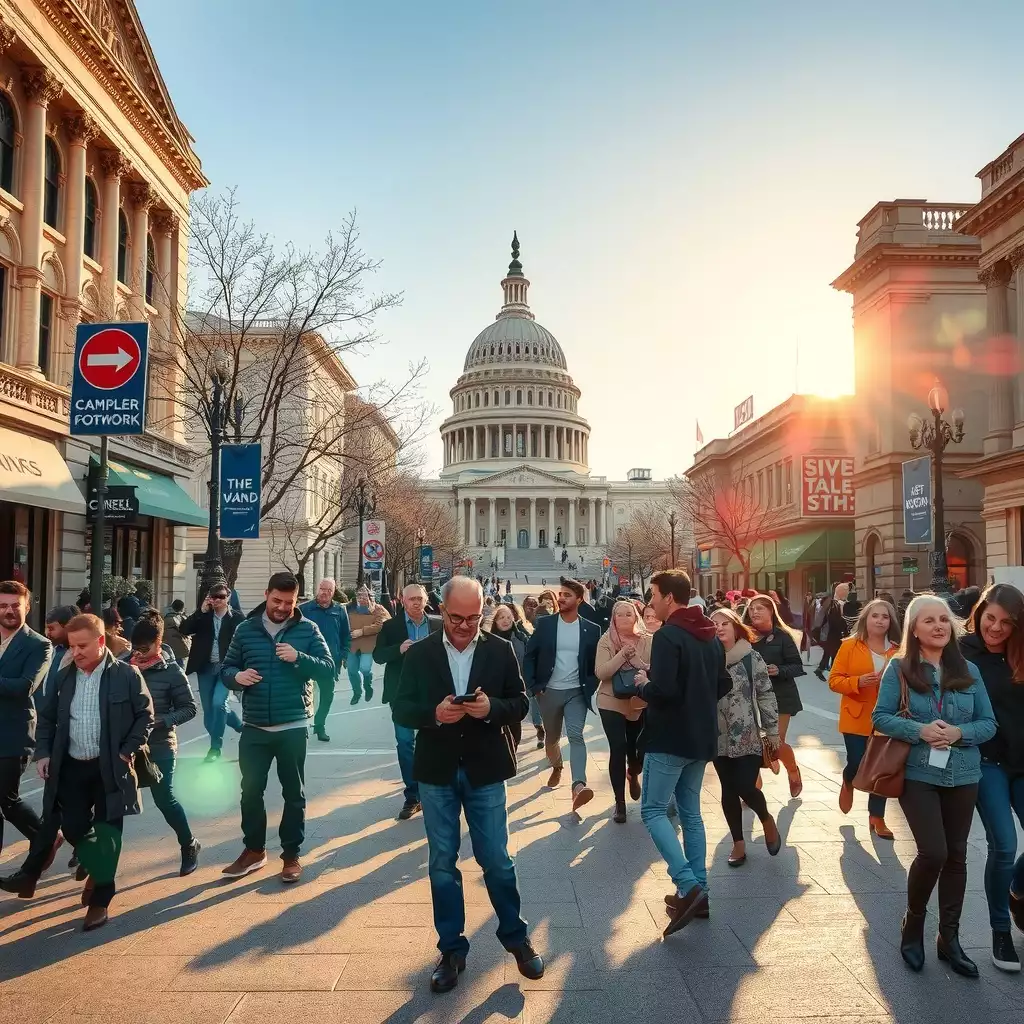
As Washington, DC faces increasing crime and injustices, the Secure DC Omnibus Amendment Act of 2024 and the Addressing Crime Trends Now Act (ACT Now) are important legislative actions. These measures boost law enforcement’s effectiveness and focus on accountability and trust within communities. They aim to tackle racial inequalities in the criminal justice system. Readers will learn how these reforms mark a change towards enhancing public safety while investing in social support systems that address the causes of crime. This approach seeks to create an environment where every resident feels safe and respected.
Legislative Changes Impacting Public Safety
The recent changes in Washington, DC laws, particularly the Secure DC Omnibus Amendment Act of 2024 and the Addressing Crime Trends Now Act (ACT Now), mark a significant move toward improving public safety and addressing issues in our criminal justice system. These laws aim to provide law enforcement with the tools needed to combat rising crime rates while holding offenders accountable. They also prioritize helping the Metropolitan Police Department recruit and retain officers, an important step for building trust with communities concerned about violent crime.
As these laws are implemented, it is crucial for all stakeholders to remain vigilant. They represent long-term commitments to changing practices that have often left communities of color feeling marginalized. The push for transparency and independent oversight highlights the need to mend ties between police agencies and residents who feel disconnected due to past policing methods. Investing in social support systems can help address underlying causes of crime rather than simply reacting after incidents occur.
Understanding how these legislative changes connect with larger issues like mass incarceration and racial inequalities positions you as a decision-maker or advocate ready for real change. Focused reforms can lead us toward safer neighborhoods without sacrificing individual rights, a crucial balance we must maintain today.
The Secure DC Omnibus Act Explained
The Secure DC Omnibus Amendment Act of 2024 addresses public safety and criminal justice issues in Washington, DC. Councilmember Brooke Pinto introduced this act, which combines key elements from Mayor Bowser’s Safer, Stronger 2.0 legislation and the Addressing Crime Trends Now Act (ACT Now). The main goal is to hold offenders accountable while providing better support for Metropolitan Police Department officers, aiming to rebuild trust within the community.
This approach represents a long-term plan to balance public safety and justice in the district. By equipping law enforcement with necessary resources to combat rising crime rates and promoting transparency through independent oversight, stakeholders can work together to restore confidence between authorities and communities affected by unfair policing practices.
As these changes occur amid issues like mass incarceration and racial bias in sentencing laws, lawmakers must navigate this complex situation carefully. The Secure DC Omnibus Act addresses current needs and encourages investments in social programs that tackle root causes of crime rather than merely responding to incidents.
By engaging with these legislative updates, advocates and policy influencers can push for reforms that prioritize community well-being alongside effective policing strategies, creating safer neighborhoods where residents feel respected and secure without sacrificing their basic rights.
The Pros & Cons of DC's Criminal Justice Reforms
Pros
-
Boosts responsibility for offenders while backing law enforcement efforts.
-
Offers extra resources for police to tackle public safety issues.
-
Emphasizes rehabilitation and community support to lower repeat offenses.
-
Seeks to address racial inequalities in the criminal justice system.
Cons
-
Some people might resist changes if they focus more on punishment rather than real reform.
-
There’s a chance that funding for police could go up without tackling the actual reasons behind crime.
-
If reforms aren’t put into action effectively, we risk continuing existing inequalities in the system.
-
Finding a way to reduce crime quickly while also working on long-term solutions can be tough.
Understanding ACT Now's Provisions
The Addressing Crime Trends Now Act (ACT Now) is part of Washington, DC’s laws aimed at addressing public safety issues in our neighborhoods. Introduced by Mayor Muriel Bowser, this act enhances police resources and updates key aspects of existing laws to better support victims and communities. By providing law enforcement with more tools, ACT Now aims to reduce crime and build trust within the community as safety concerns grow.
This initiative is a thoughtful approach to changing policing, particularly for marginalized groups facing ongoing challenges. The changes under ACT Now focus on improving how the Metropolitan Police Department recruits and retains officers, essential for building strong relationships between police and residents. Consider how collaboration with various groups can create meaningful outcomes that prioritize justice and safety.
To understand what ACT Now means, we must consider its connection to long-standing social and economic inequalities affecting many in Washington, DC. It’s crucial to address underlying issues like poverty and lack of access to social services to lower crime rates sustainably rather than just reacting after incidents occur. Engaging with this act allows you to advocate for immediate solutions while contributing to lasting reforms that promote fairness in our justice system.
Embracing the ideas behind ACT Now empowers you as an informed decision-maker or advocate for safer communities without compromising civil liberties, a vital balance for real change in today’s society.
Prioritizing Community Safety Initiatives
The growing focus on community safety programs in Washington, DC, marks an important time for residents and decision-makers. New laws like the Secure DC Omnibus Amendment Act of 2024 and ACT Now respond to rising crime rates and address injustices in the criminal justice system. These reforms aim to rebuild trust within communities affected by past inequalities by introducing accountability measures that support law enforcement and initiatives for police recruitment and retention.
As you explore these new policies, consider their potential impact, not just as quick fixes but as steps toward lasting change. Investing in social services is key; addressing root causes of crime, like poverty and lack of education, is vital to reducing violence. The connection between legislation and societal needs underscores the importance of collaborating on solutions that enhance public safety without compromising civil rights or worsening inequalities.
To navigate this complex situation effectively, it’s crucial to understand how trends shape views on policing practices. Engage with local groups, from advocacy organizations to police departments, to foster discussions aimed at creating safer neighborhoods through shared responsibility. Promoting thorough strategies based on empathy will be essential for building safe environments where everyone feels secure and receives fair treatment under the law.
Rapid Shifts in DC Policy Trends
| Legislative Initiative | Date Introduced | Key Focus Areas | Impact on Community |
|---|---|---|---|
| Secure DC Omnibus Amendment Act of 2024 | January 10, 2024 | Accountability for criminals, support for MPD officers | Aims to rebalance public safety and justice system |
| Addressing Crime Trends Now Act (ACT Now) | October 23, 2023 | Tools for law enforcement, community support | Improves MPD’s capacity to hire and retain officers |
| End Youth Incarceration | N/A | Rehabilitation over punishment | Supports youth development outside of incarceration |
| Combat Racial Inequality | N/A | Address systemic inequities | Reduces disproportionate incarceration rates among minorities |
| Reassess Sentencing Laws | N/A | Review extreme sentences, restorative justice | Aims to decrease mass incarceration |
| Invest in Community Resources | N/A | Redirect funds to education and job training | Promotes healthier communities |
| Enhance Law Enforcement Accountability | N/A | Transparency and oversight | Builds trust between law enforcement and communities |
| Promote Legislative Collaboration | N/A | Bipartisan support for reforms | Ensures balanced approach to public safety |
| Racial Disparities in Incarceration | N/A | Systemic inequalities in sentencing laws | Highlights need for reform to address racial disparities |
| Public Safety Priorities | N/A | Victims’ justice and effective policing | Aims to ensure resident safety while holding offenders accountable |
The Crisis of Mass Incarceration
Mass incarceration is a major problem in the United States, particularly in Washington, DC. Nearly two million people are currently incarcerated, most of whom are people of color. This highlights deep-rooted inequalities in our criminal justice system. One in five Black men born today will likely end up imprisoned, underscoring the urgent need for change.
New laws like the Secure DC Omnibus Amendment Act of 2024 and ACT Now aim to address these issues while enhancing accountability for law enforcement. These reforms demonstrate a commitment to dismantling systems that perpetuate racial inequality in sentencing and policing.
Shifting resources toward community support instead of punishment can help reduce incarceration rates by focusing on rehabilitation rather than mere confinement. We must tackle underlying issues like poverty and lack of education that contribute to cycles of crime. By supporting fair strategies rooted in equity and transparency, you can drive real change during this critical time.
Racial Disparities in Incarceration Rates
Racial disparities in incarceration rates challenge justice in Washington, DC. Nearly 70% of those incarcerated are people of color, highlighting issues in policing and sentencing that disproportionately affect marginalized communities. One alarming statistic shows that one in five Black men born today is likely to be imprisoned at some point in his life, a stark reminder of existing structural inequalities. Ongoing legislative efforts like the Secure DC Omnibus Amendment Act and ACT Now aim to enhance public safety while breaking down barriers that perpetuate this cycle.
Implementing reforms is crucial, but we must address root causes like poverty, lack of education access, and insufficient social services, factors that foster environments where crime thrives. By investing in community resources rather than focusing solely on punishing offenders, we can reshape the conversation around accountability and ensure fair treatment for everyone in our criminal justice system.
Building dialogue among stakeholders is key to navigating this complex issue. Collaborating with policymakers and community members fosters the transparency needed to rebuild trust lost due to unfair practices. Engaging with advocacy groups helps us understand real-life experiences related to policing tactics and leads to informed strategies aimed at reducing incarceration rates without sacrificing civil rights or safety standards, an essential step toward meaningful reform.
Unveiling Washington DC's Quirky Trends and Myths
-
Residents of Washington DC love "pop-up" events, where cool experiences, like art displays and food festivals, show up in various locations. These events create excitement and attract crowds looking for spontaneity.
-
The cherry blossoms in DC bloom during the National Cherry Blossom Festival, but they can start blooming as early as late March, depending on the weather.
-
The city has a trend called "ghost tours," where locals and visitors check out haunted spots while sharing stories about the paranormal history in our nation's capital.
-
Many believe that the White House is painted white to represent purity, but it was originally made from sandstone. After being burned down during the War of 1812, it received white paint to hide burn marks.
-
The idea of "urban foraging" is becoming popular among eco-friendly individuals in Washington DC who look for wild foods like dandelion greens and mulberries in local parks, turning parts of the city into places to find free fresh food.
Recommendations for Effective Reform
To create real change in Washington, DC’s criminal justice system, we need a well-rounded approach. First, we must end youth incarceration. This shift moves from punishing young people to helping them rehabilitate outside traditional detention centers. We also need to address racial inequalities by implementing policies that reduce higher incarceration rates for communities of color.
We should rethink sentencing laws and explore alternatives like restorative justice practices. This ensures fairness while reducing the number of people behind bars. Instead of funding corrections, let’s invest in community resources, programs that improve education and job training are essential to breaking the cycle of poverty that drives crime.
It’s crucial to hold law enforcement accountable through independent oversight tools like Public sector performance dashboards; this promotes transparency and builds trust between police and the communities they serve, a vital step toward improving public safety amid rising security concerns.
Working across political lines will strengthen efforts for thorough reforms aimed at protecting civil rights while ensuring safety. Engaging with local stakeholders, including advocacy groups and residents, is essential for understanding diverse views on policing strategies. This collaboration fosters cooperation and provides insights into making changes that reflect community needs while addressing past injustices within our legal system.
By embracing these ideas, you position yourself as an advocate for lasting change rooted in empathy and fairness, a foundation for a safer future where everyone’s voice matters.
Building Trust with Law Enforcement
The changing world of public safety in Washington, DC highlights the need for trust between police and the communities they serve. New laws like the Secure DC Omnibus Amendment Act of 2024 and ACT Now aim to address rising crime rates while ensuring accountability in policing. These reforms provide officers with essential resources and emphasize transparency through independent oversight. By encouraging community involvement, stakeholders can rebuild relationships strained by past injustices, creating an environment where residents feel safe and valued.
Addressing issues like mass incarceration and racial inequalities is crucial for building trust between police forces and marginalized communities. Investing in social services instead of harsh penalties tackles the root causes of crime while promoting fairness within the justice system. Collaborating with local advocacy groups helps law enforcement understand community needs better, allowing for adjusted approaches. This teamwork shows a commitment to transforming policing into a means of empowerment rather than control, leading to lasting reform that benefits all residents without sacrificing rights or dignity.
Urgency for Reformative Action
The situation in Washington, DC calls for quick action as new laws like the Secure DC Omnibus Amendment Act of 2024 and ACT Now come into play. These efforts are part of a plan to enhance community safety while addressing injustices faced by marginalized groups. As these laws gain support, it’s important to see how they can spark real change, finding the right balance between holding law enforcement accountable and providing necessary support is key to rebuilding public trust. Increased transparency and independent oversight are essential; only then can communities mend damaged relationships.
Effective changes require more than just passing new laws, it means directing resources toward social programs that address the root causes of crime. By investing in education, job training, and mental health services, we create environments where people are less likely to resort to crime. Working closely with local advocacy groups ensures that those most affected help shape policy discussions; this teamwork builds understanding essential for lasting reform. Acting quickly on these issues is crucial, not just for today’s challenges but also for creating a fairer future.
FAQ
What are the main legislative initiatives addressing public safety in Washington DC?
Right now, you’re looking at two key pieces of legislation in Washington DC: the Secure DC Omnibus Amendment Act of 2024 and the Addressing Crime Trends Now Act (ACT Now). These laws aim to tackle public safety issues.
How does the Secure DC Omnibus Amendment Act aim to balance accountability and support for law enforcement?
The Secure DC Omnibus Amendment Act seeks to balance holding offenders accountable and supporting law enforcement. It ensures that those who commit crimes face consequences while boosting resources for the Metropolitan Police Department.
What statistics highlight the impact of mass incarceration on Black communities?
One in five Black men born in 2001 is likely to end up in prison. Nearly 70% of individuals behind bars are people of color. This highlights the effects of mass incarceration on Black communities.
What are some key recommendations for reforming the criminal justice system in DC?
Focus on stopping youth incarceration, fighting racial inequality, rethinking sentencing laws, investing in community resources, improving law enforcement accountability, and encouraging team scorecards in legislation to reform the criminal justice system in DC.
How do racial disparities manifest within the current incarceration rates?
Racial disparities are evident in today’s incarceration rates, as people of color account for almost 70% of the prison population. This situation highlights inequalities in sentencing laws and policing practices.
Why is it important to invest in community resources as part of public safety reform?
Investing in community resources is essential because it addresses the main causes of crime, strengthens neighborhoods, and creates safer spaces that empower people and families.