
Work with Agencies on Washington DC Safety Drills
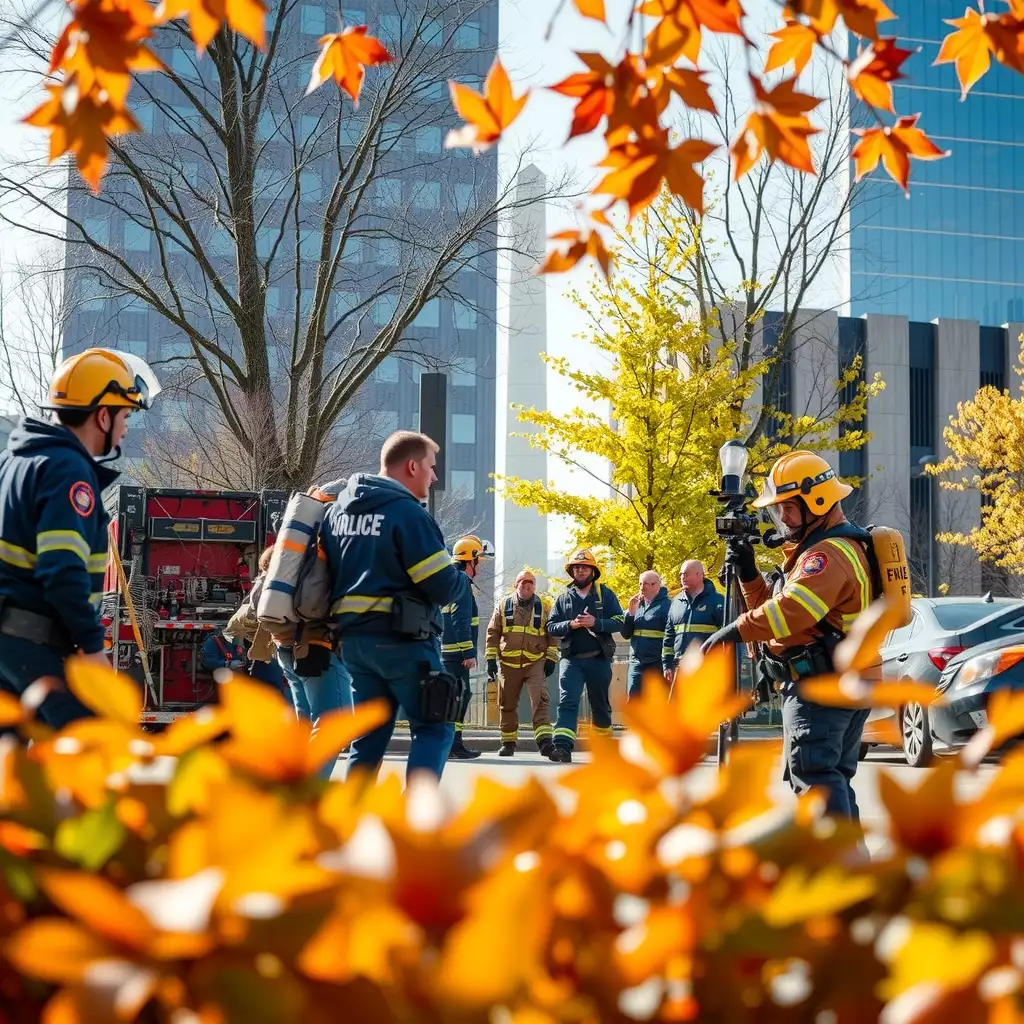
In a time when being prepared can make a difference between chaos and safety, this article explores how emergency preparedness consultants work with different agencies in Washington D.C. It emphasizes the importance of safety drills for public safety and presents practical strategies for creating training programs that meet community needs. Readers will find success stories, communication techniques used during drills, and tips on building a culture of readiness through proactive actions and conversations among everyone involved.
Understanding Hsema's Key Functions
HSEMA plays a key role in keeping Washington D.C. Safe and prepared through its activities. The Training and Exercise Bureau offers courses that help public safety officials sharpen their skills. This bureau provides training sessions and organizes exercises to test emergency response plans, encouraging teamwork among agencies while identifying areas for improvement. By using tools like their Learning Management System (LMS), HSEMA tracks progress and ensures every participant is ready for emergencies.
HSEMA collaborates with federal partners like FEMA to strengthen resources before, during, and after crises. This partnership enhances community resilience by integrating different perspectives into training programs and sharing best practices in emergency management education. Through assessments and planning meetings with stakeholders from various sectors, like government entities and non-profit organizations, HSEMA creates thorough public safety strategies tailored to address the unique challenges of D.C.’s diverse environment.
Exploring Courses for Emergency Preparedness
Emergency preparedness courses are vital for enhancing the skills of public safety personnel in Washington D.C. HSEMA offers a range of training options, including online classes for approved users and hands-on sessions for first responders. This variety allows participants to choose formats that fit their learning styles and schedules while covering essential emergency skills.
These courses include practical exercises that test response plans and promote teamwork among agencies in emergency management. Participants engage in simulations that reflect real-life situations, helping them identify strengths and weaknesses. The Learning Management System (LMS) tracks individual progress through modules and issues certifications upon completion, serving as proof of acquired skills crucial for responding under pressure. By participating in these programs, individuals contribute to a community prepared to handle any situation.
The Pros & Cons of D.C. Safety Drills
Pros
-
Boosts teamwork among various agencies, leading to better emergency responses.
-
Spots capability gaps, enabling focused training and smarter resource distribution.
-
Involves the community, raising public awareness and readiness for emergencies.
-
Leverages technology to develop realistic scenarios that make training exercises more effective.
Cons
-
These efforts demand a lot of resources, including substantial funding and time from the agencies involved.
-
If agencies don’t communicate well, there’s a risk of duplicating efforts.
-
When some stakeholders don't get involved, it can hold back overall preparedness initiatives.
-
Assessing how effective drills are can be tricky because we lack standardized metrics for evaluation.
Why Drills Are Crucial for Readiness
Drills are essential for building strong emergency preparedness. By participating in these scenarios, agencies, organizations, and communities can identify weaknesses in their response plans and strengthen partnerships. Each drill simulates real-life emergencies that reveal gaps or inefficiencies in protocols. This hands-on experience promotes teamwork, ensuring everyone understands their responsibilities during a crisis. When participants practice together, they gain insights into effective communication and operation, crucial under pressure.
Drills also instill confidence and readiness among all involved, from first responders to community members. Repeated training solidifies critical skills needed under stress while promoting accountability through established evaluation methods. As teams address developing threats like natural disasters or man-made incidents, they adapt strategies based on best practices and guidance from federal sources like FEMA. Successful drills foster a culture of preparedness where proactive actions become automatic rather than reactive responses driven by fear.
Maximizing Training Tracking and Access
The Learning Management System (LMS) is essential for tracking training and making it accessible. It serves as a central hub for emergency management courses in Washington D.C. This system tracks individual progress and provides quick access to training history. By offering online modules and classroom sessions, the LMS allows users, government workers, first responders, or community members, to choose training formats that fit their schedules and learning styles.
Using technology during safety drills makes them more engaging and effective. Simulation tools or virtual reality setups create realistic scenarios without logistical issues while providing real-time feedback on performance. After each drill, evaluations gather input from participants; this reflection fosters a culture of continuous improvement. As agencies collaborate using these innovative methods alongside traditional workshops or hands-on activities, they build a foundation of preparedness based on accountability and shared knowledge within the community.
Coordinating Safety: DC Agencies Drill Insights
| Aspect | Details | Key Points | Importance | Recommendations |
|---|---|---|---|---|
| Agency Involved | Homeland Security and Emergency Management Agency (HSEMA) | Focuses on public safety through preparedness | Collaborative effort for safety drills | Strengthen inter-agency communication |
| Training Opportunities | Offers online and classroom courses with approval from State Administrative Agency (SAA) | Inclusive to all partners, minimizing duplication | Enhances emergency response capabilities | Incorporate technology in training |
| Learning Management System | Central portal for tracking training activities | Accessible to all users | Maintains records of training activities | Develop evaluation metrics for drill effectiveness |
| Collaboration with FEMA | Provides resources and disaster assistance programs | Strategic partnerships enhance resource allocation | Essential during emergencies | Regular updates on best practices |
| Importance of Exercises | Tests response plans and identifies gaps in capabilities | Strengthens inter-agency partnerships | Critical for preparedness strategies | Public engagement initiatives |
Working Alongside FEMA and Others
Working with FEMA and other federal agencies is essential for improving Washington D.C.’s emergency preparedness. By combining resources, knowledge, and expertise, HSEMA enhances its training programs to address the unique challenges of city life. This collaboration ensures local response teams gain practical skills through shared exercises that mimic real-life situations. Participating in joint drills builds trust among team members and fosters a culture of readiness within the community.
FEMA’s extensive resources significantly enhance local training efforts. With disaster assistance frameworks and specialized workshops led by FEMA experts, agencies can refine their strategies based on national best practices tailored to local needs. These interactions break down barriers between federal organizations and local responders, allowing smooth communication during emergencies when timing is crucial. Through detailed planning sessions, partners create customized solutions that resonate with diverse communities across D.C., ensuring everyone feels included in safety plans.
The Learning Management System (LMS) strengthens this teamwork by offering a platform for tracking progress. Users have access to course materials from both HSEMA and FEMA, enabling efficient monitoring of completion rates and identification of areas needing improvement using data-driven insights, allowing quick adjustments as new threats arise or change within our urban environment. The LMS promotes accountability among peers working towards common public safety goals.
Collaborating with partners like FEMA creates an atmosphere focused on continuous improvement in emergency management practices in Washington D.C. Joint efforts lead to innovative techniques used during drills, inspiring confidence among first responders and encouraging community involvement from preparation through recovery after incidents, proving invaluable in addressing complex situations requiring coordinated responses to modern challenges.
Strengthening Connections Among Agencies
In Washington D.C., agencies collaborate to prepare for and respond to emergencies, focusing on Washington DC site safety. Open communication allows them to share resources and ideas, enhancing crisis management. Regular meetings enable discussions on upcoming drills, strategy improvements, and best practices tailored to each agency’s challenges. This teamwork boosts readiness and builds trust among participants who recognize their roles in a broader network focused on public safety.
Technology is key to strengthening these connections. Simulation tools allow agencies to train together through realistic scenarios without logistical issues. When local fire departments and federal responders participate in joint exercises, they foster shared learning that enhances coordination during real emergencies. Debriefings after these exercises provide opportunities for reflection and targeted improvements based on immediate feedback, reinforcing relationships formed through collaboration.
Forming strategic partnerships with organizations like FEMA increases the effectiveness of local initiatives. These collaborations provide access to federal resources and specialized knowledge that support ongoing improvement efforts in emergency management across D.C. As stakeholders team up, developing training programs or conducting evaluations, their combined expertise strengthens community resilience against potential threats while ensuring inclusivity remains essential throughout planning and execution.
Building strong relationships between agencies creates a safety culture audit rather than merely reacting when disasters disrupt daily life for residents in this vibrant urban environment.
Unveiling Secrets of DC Safety Drills
-
The city holds safety drills that mimic emergency situations, like natural disasters and terrorist attacks, to ensure first responders are ready.
-
Many residents view safety drills as a formality, but they play a vital role in building community strength by teaching effective responses during emergencies.
-
Washington DC collaborates with agencies like the FBI and FEMA to organize these drills, creating a plan that combines resources from federal, state, and local levels.
-
A common myth is that safety drills only involve government workers; yet, schools, businesses, and community groups participate too, helping everyone prepare together.
-
Participants in safety drills often report feeling more empowered and confident about handling real emergencies. This shows that training prepares the public for action when it counts.
Using Tech for Realistic Training Scenarios
Technology is transforming emergency preparedness training, making it more realistic and effective. Tools like virtual reality (VR) and augmented reality (AR) create lifelike environments that simulate emergencies without the hassle of physical drills. This tech-driven approach boosts engagement and provides instant feedback on performance, allowing participants to sharpen their skills in a safe space.
Simulations powered by technology encourage teamwork among public safety agencies by fostering collaboration during joint exercises. When organizations come together for high-quality training sessions, responders learn to work effectively across fields, tackling complex situations while practicing essential communication skills needed for success during actual crises. These shared experiences build strong relationships between agencies and foster trust among personnel who will rely on each other when lives are at stake.
Thanks to technology, evaluations after exercises become richer. Digital platforms allow facilitators to gather real-time data on participant interactions and decision-making throughout the drill. By analyzing this information together, all involved can easily identify strengths and areas for improvement, ensuring ongoing enhancements in response strategies based on insights gained during simulations.
Integrating advanced technologies into training programs places Washington D.C.’s emergency management efforts at the forefront of modern preparedness initiatives. As stakeholders adopt innovative solutions alongside traditional practices like workshops or hands-on activities, they create engaging learning environments that help communities build resilience against developing threats, from natural disasters to man-made crises, while ensuring inclusivity across diverse groups involved in effective responses to today’s complex challenges.
Evaluating Performance Post-exercises
Post-exercise evaluations are key to making safety drills more effective. By collecting feedback from all participants, agencies can identify what works well and what needs improvement in their response plans. This reflection encourages accountability among team members, ensuring that lessons learned during drills lead to real changes. Using standard evaluation measures helps compare different drills, improving future training sessions based on data rather than personal opinions.
Incorporating technology enhances analysis after a drill. Digital platforms allow for immediate data collection on participant performance and decision-making during exercises. Analyzing this data together provides insights that improve emergency protocols while strengthening relationships between agencies through shared experiences. Collaboration in evaluating drill results fosters an environment of continuous improvement, essential for adapting to new threats in Washington D.C.’s changing field.
Involving stakeholders in debriefing sessions opens conversations about challenges faced during drills and potential solutions. These discussions empower everyone, from government officials to community responders, to share experiences and contribute ideas for improving preparedness as a team. Emphasizing inclusivity in these evaluations ensures diverse viewpoints shape the ongoing development of strong emergency management practices tailored to D.C.’s unique situation.
Effective evaluation processes lay a solid foundation for building resilient communities; each exercise becomes not just a test but an opportunity for growth within networks dedicated to public safety amid today’s uncertainties.
Collaborative Efforts Enhance Public Safety
A coordinated effort among agencies is essential for improving public safety in Washington D.C. Regular communication and teamwork allow these organizations to share knowledge and resources, enhancing emergency response capabilities. This collaboration creates a strong front that makes safety drills more efficient and builds trust among participants who depend on each other during crises. Involving various stakeholders ensures diverse viewpoints are considered, leading to strategies that effectively address community needs.
Using technology enhances these collaborative efforts by enabling realistic training simulations. Agencies can utilize tools like virtual reality or simulation software for joint exercises, allowing responders from different backgrounds to practice together while sharpening their skills under pressure. These immersive experiences build camaraderie and understanding between teams, creating an environment where everyone feels prepared for real emergencies.
Feedback after each drill encourages transparency and accountability among participants. Collecting insights helps agencies assess performance, spotting strengths and identifying areas for improvement, which informs future training. This reflection process fosters continuous growth in D.C.’s preparedness culture, reinforcing its commitment to maintaining strong public safety standards amid developing threats.
Strategic partnerships with federal organizations like FEMA enhance local readiness by integrating national best practices into regional plans. Collaborating with respected partners gives local agencies access to valuable resources and specialized expertise aimed at improving emergency management across the district’s unique field, boosting overall resilience against everyday hazards.
Building inter-agency relationships focused on shared goals fosters a proactive mindset regarding emergency preparedness, rather than merely reacting to unexpected events in daily urban life.
FAQ
What are the key functions of HSEMA in enhancing emergency preparedness in Washington D.C.?
HSEMA enhances emergency preparedness in Washington D.C. With its Training and Exercise Bureau, which organizes exercises and uses a Learning Management System (LMS). These resources focus on education, teamwork, and tracking training activities to ensure readiness for emergencies.
How does HSEMA ensure inclusivity in its training and exercises?
HSEMA’s training and exercises are inclusive by involving all key partners. This approach reduces overlap and boosts teamwork.
What recommendations can improve the effectiveness of safety drills according to HSEMA's findings?
Make safety drills more effective by enhancing communication between agencies, using technology, gathering feedback, involving the public, establishing continuous improvement systems, allocating resources wisely, diversifying training options, keeping stakeholders informed about best practices, and developing clear evaluation metrics.
How does collaboration with federal agencies like FEMA benefit local emergency management efforts?
Working with federal agencies like FEMA enhances local emergency management by providing resources, knowledge, and support. This collaboration improves preparation and response during disasters.