
Check PPE and Signage at Washington DC Sites
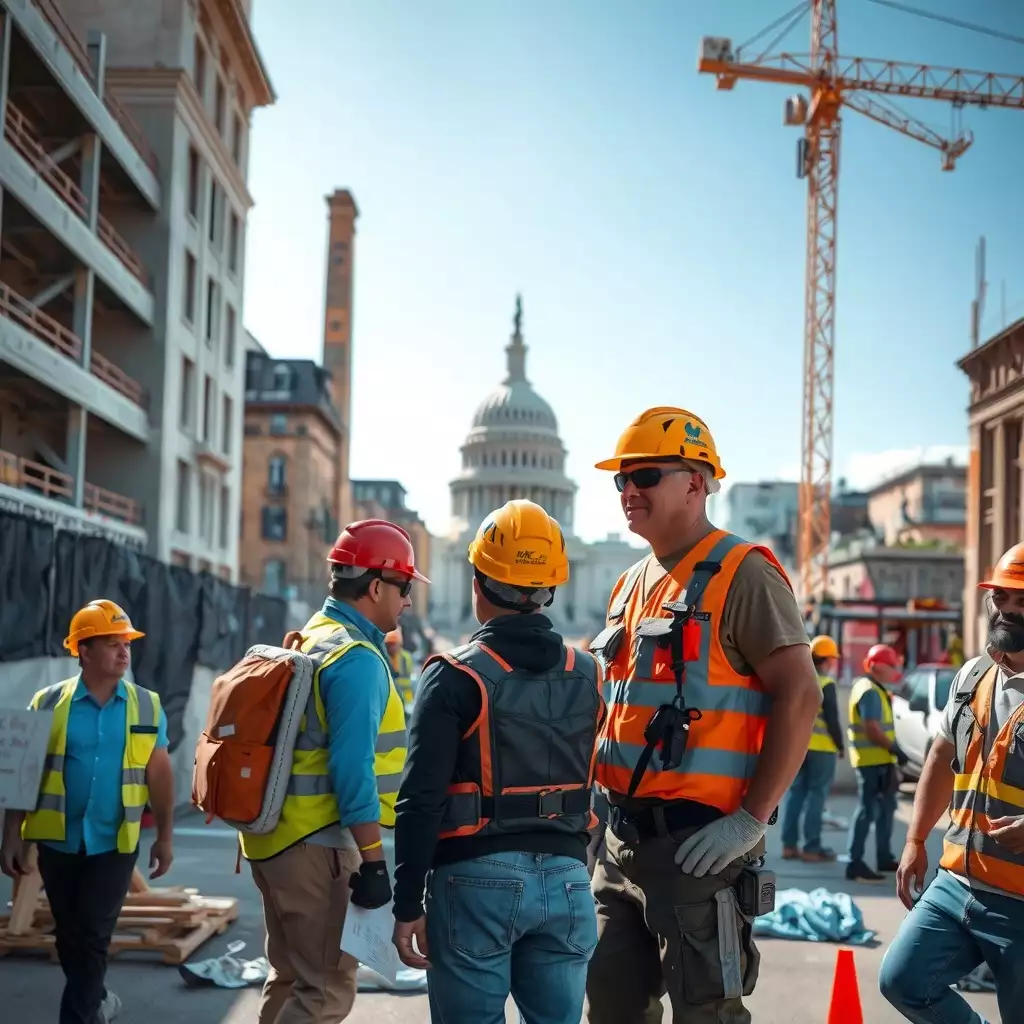
Key Takeaways
- This article emphasizes the importance of Personal Protective Equipment (PPE) and clear signage for workplace safety in Washington D.C. It highlights efforts to help local businesses remain compliant.
- It identifies gaps in PPE use and safety signs at job sites, indicating the need for regulatory agencies to enforce standards that communicate necessary precautions to workers.
- The piece provides tips for site managers and safety officers to foster a strong safety culture. It encourages regular training, community involvement, and using technology to enhance communication.
Overview of Programs Supporting PPE Distribution
In Washington D.C., programs are in place to improve the distribution of Personal Protective Equipment (PPE) across industries. One initiative allows local businesses to sign up for free PPE, essential due to challenges from the COVID-19 pandemic. Business owners can request these supplies by visiting stay.dc.gov, helping them protect employees and meet safety regulations.
Funding options like the Bridge Fund and Small Business Resiliency Fund provide financial support to help small businesses comply with safety guidelines.
Clear signage is crucial alongside PPE efforts. Lack of clear safety messages increases risks related to inadequate protective measures. Regulatory bodies must enforce mandatory signage that informs workers about necessary precautions for using PPE. Outreach campaigns can raise awareness about available resources, leading to a safer work environment in Washington D.C.’s construction sector and beyond.
Why Safety Signage is Critical for Compliance
Safety signs are crucial for workplace compliance and safety. They alert workers to hazards and outline necessary practices. Clear, visible signs reduce confusion at job sites, helping everyone understand risks tied to their tasks. Without proper signage, even the best personal protective equipment (PPE) can be ineffective; workers may not know specific requirements or precautions. Following guidelines from the Manual on Uniform Traffic Control Devices (MUTCD) is essential for avoiding costly fines.
In Washington D.C., inadequate safety signage remains a significant problem. Many construction sites lack warning signs about PPE requirements or general safety measures, increasing risk levels. Employers must recognize that effective signage does more than meet regulations; it fosters an environment where safety becomes part of daily routines. Clear instructions encourage employees to take charge of their well-being and raise awareness across the site.
Mandatory signage not only ensures compliance but also builds accountability among team members. When workers see reminders about wearing helmets or identifying hazard zones, they become active participants in promoting a culture of safety. This proactive approach emphasizes individual responsibility within teams and helps prevent accidents.
Incorporating effective safety signage into daily operations equips organizations to prepare sites for agency workers while meeting legal obligations in Washington D.C. By focusing on visibility and clarity, from warning labels on tools to informational posters, companies create solid foundations for safer work environments amid ongoing industry challenges.
The Pros & Cons of PPE and Signage Compliance
Pros
-
Boosted worker safety by using the right PPE and clear signage.
-
Helped businesses meet legal standards, lowering their risk of liability.
-
Raised awareness of safety protocols for both workers and employers.
-
Supported local businesses with initiatives that distribute free PPE.
Cons
-
There may be costs involved in putting up required signs and training programs.
-
Some businesses might push back against the new rules.
-
Keeping an eye on compliance and enforcing the regulations could need extra resources.
-
The use of personal protective equipment (PPE) can vary depending on the type of company ownership.
Insights on PPE Usage Patterns and Gaps
Examining personal protective equipment (PPE) use in Washington D.C. Reveals troubling gaps that need to be addressed for better workplace safety. Many workers, especially in construction, do not consistently wear essential gear like helmets, gloves, and masks. Data shows a concerning trend: while some employees frequently use items like steel-toed boots or reflective vests, they often overlook critical gear like hard hats or goggles. This inconsistency puts their safety at risk and highlights issues with enforcing rules on job sites.
The lack of clear signage exacerbates the problem by failing to communicate necessary safety measures. In many areas where PPE is required, there are no visible reminders encouraging proper use of protective gear. This gap underscores the urgent need for regulatory bodies to mandate clear signs that explain specific PPE requirements tied to safe practices on-site. Without this guidance, even well-meaning efforts can fall short because employees remain unaware of essential protections needed for their jobs.
Company culture also plays a crucial role in PPE usage patterns; organizations should create environments where safety is a top priority integrated into daily operations rather than just during inspections or meetings. By promoting open conversations about personal responsibility, team members will understand how and why it’s important to consistently wear PPE, this alignment between management expectations and employee actions leads to better outcomes.
Regular evaluations can help identify barriers hindering effective implementation of PPE protocols and signage standards across various industries in Washington D.C. Actively monitoring compliance encourages accountability among teams while demonstrating leadership’s commitment to protecting its workforce from risks associated with non-compliance, a vital step in building resilient business practices amid ongoing economic challenges faced by local businesses.
PPE Compliance Differences Between Company Types
In Washington D.C., companies vary in their commitment to using Personal Protective Equipment (PPE). Construction businesses typically have strict safety rules due to regulations. In contrast, smaller local shops often struggle to ensure consistent PPE use among workers. Interestingly, employees at foreign-owned companies tend to use protective gear more often than those at local businesses. This difference highlights the need for focused training programs that emphasize the importance of PPE for all organizations.
Clear signage around the workplace is vital for encouraging compliance with safety practices. Companies that invest in effective signage help employees engage with PPE guidelines. When signs are easy to read and prominently placed, they remind workers about necessary precautions, connecting rules with actions on-site. Businesses without proper signage not only fall short of legal requirements but also miss opportunities to create a culture where safety is valued by all team members, regardless of company size or ownership.
Essential PPE Compliance at DC Worksites
| Initiative/Recommendation | Description | Target Group | Funding/Support |
|---|---|---|---|
| Free PPE Sign-Up for Businesses | Program for businesses to receive free PPE as part of COVID-19 support efforts. | Local businesses | District of Columbia |
| Bridge Fund | $100 million fund to sustain hospitality, entertainment, and retail sectors affected by COVID-19. | Affected industries | Mayor’s Office |
| Small Business Resiliency Fund | Provides $3 million in emergency operational funding for small businesses with 50 or fewer employees. | Small local businesses | DSLBD |
| Streatery Winter Ready Grant Program | One-time grants for restaurants to winterize outdoor dining operations. | Restaurants | Grant Program |
| Mandatory Safety Signage Implementation | Regulations requiring clear signage about mandatory PPE use at construction sites. | Construction sites | Regulatory Compliance |
| Regular Training Programs | Implement regular training on occupational health and safety best practices. | Construction workers | Internal Training Budget |
Strategies for Enhancing Safety Signage Presence
To boost safety signage across Washington D.C., organizations need to install clear signs at every job site. Using standard signage that meets regulations, like those in the Manual on Uniform Traffic Control Devices (MUTCD), provides consistent information about personal protective equipment (PPE) and potential hazards. Placing these signs in busy areas ensures workers are reminded of necessary precautions, turning awareness into action.
Regular training sessions covering safety rules and proper use of signage can improve workplace culture, and organizations can coordinate Washington DC safety drills to reinforce practices. When employees understand expectations and their importance, they become more engaged in their safety practices. Allowing feedback on sign visibility or clarity fosters a collaborative environment for quick improvements based on real experiences.
Using technology enhances communication around safety measures. Mobile apps or digital platforms for sharing updates about new rules or changes to sign placements keep everyone informed instantly, making compliance easier without overwhelming staff with paperwork or outdated posters. This modern approach aligns with today’s workforce expectations while ensuring all team members receive essential messages effectively.
Involving local businesses through partnerships boosts visibility for safety initiatives. Collaborative outreach campaigns raise awareness among construction companies and other sectors affected by these guidelines, including event organizers and facility managers responsible for public safety during gatherings. Working together promotes accountability as each group recognizes its role in broader health strategies aimed at protecting workers throughout the city.
Regular audits evaluate the effectiveness of signage efforts; tracking incidents linked to poor warning systems identifies areas needing improvement before accidents occur. Ongoing assessments create opportunities for continuous improvement, ensuring organizational commitment translates into better worker protection through proactive steps tailored for Washington D.C.’s field.
Encouraging Best Practices Among Workers
Promoting safety practices among workers in Washington D.C. Emphasizes the importance of Personal Protective Equipment (PPE) and clear signage. Companies can integrate safety into daily operations by engaging employees through training sessions, transforming it from a regulatory requirement into a core value. When management encourages open discussions about safety concerns, it aligns workers’ actions with organizational expectations, clarifying how to use PPE and why it’s necessary.
Visibility is crucial for adherence to safety protocols. Regular checks on sign locations ensure vital information about PPE usage is accessible at job sites, reducing confusion about requirements and potential hazards. Utilizing technology like mobile apps for real-time updates improves communication and accountability, ensuring each team member stays informed and proactive about maintaining safe work environments across various industries in the District.
Unveiling Myths About PPE and Signage
-
Many think wearing PPE is important in all areas; in Washington DC, even low-risk places require proper signs and equipment to keep workers and visitors safe.
-
Some see signage as decoration, but it plays a vital role in sharing information about hazards and safety rules at construction sites and public spaces around the city.
-
A lot believe PPE is uncomfortable and limits movement; yet, today’s designs prioritize comfort and flexibility, enabling workers in DC to do their jobs safely and effectively.
-
There’s a belief that wearing PPE means no other safety measures are needed; yet, ongoing training and awareness of potential dangers are crucial for maintaining a safe environment in Washington DC.
-
People often think signs are only necessary for certain industries, but in Washington DC, clear safety signs are needed across various fields like healthcare, education, and public transport to ensure protection for everyone.
Importance of Regular Safety Training Sessions
Regular safety training sessions are crucial for fostering a proactive culture around workplace safety. These sessions equip workers with the knowledge and skills to use Personal Protective Equipment (PPE) effectively, ensuring compliance. Employees can share concerns or ask questions about specific practices, enhancing understanding of safety protocols. By including real-world scenarios, trainers can illustrate potential hazards and appropriate responses, making learning relatable and impactful.
Consistent training demonstrates the organization’s commitment to worker safety. When staff see management educating them about PPE usage and signage importance, it builds trust and emphasizes shared responsibility for maintaining safe environments. This ongoing education encourages individuals to follow best practices and take charge of their well-being during daily tasks in Washington D.C.
Offering refresher courses ensures even experienced employees remain aware of new standards or regulatory changes. Keeping everyone updated prevents complacency, reinforcing essential principles for maintaining vigilance against potential risks at job sites.
These structured programs connect every team member to our shared goal: safeguarding lives by improving adherence to proper equipment use and encouraging constant awareness of hazardous conditions encountered daily in Washington D.C.’s diverse field.
Prioritizing Safety in DC Sites
In Washington D.C., keeping construction sites safe is a top priority. workplace safety DC This requires everyone to work together to ensure that Personal Protective Equipment (PPE) and clear safety signs are always available. Programs like free PPE distribution help local businesses provide workers with necessary gear while ensuring compliance with health regulations. By taking these steps, companies reduce risks in dangerous environments and build trust among employees who appreciate management’s commitment to safety.
Many job sites struggle with unclear safety signage. Without proper signs showing how and when to use PPE, even those who have it might not know what precautions to take or what dangers they face daily. Establishing mandatory signage standards can solve this issue by clarifying responsibilities regarding personal safety.
Creating a workplace culture focused on safety encourages team members to engage actively with PPE protocols and hazard awareness. Regular training sessions educate staff about using equipment properly and recognizing reminders around job sites; these opportunities raise awareness and encourage individuals to take charge of their own protection.
To further improve access to protective practices, organizations can use mobile apps for quick communication about changes in regulations or updates on community resources. This approach ensures important information reaches everyone promptly without outdated materials, a key factor for maintaining awareness during busy operations in D.C.’s diverse workforce.
Partnering through outreach campaigns involving contractors and facility managers can boost efforts to promote safe practices throughout the city. Such collaborations encourage accountability at every level while fostering shared responsibility for worker well-being amid ongoing challenges.
FAQ
What programs are available for free PPE distribution in Washington D.C.?
Get free personal protective equipment (PPE) through a program in Washington, D.C. That helps businesses recover from COVID-19. Count on support from the Bridge Fund and the Small Business Resiliency Fund.
Why is safety signage important at construction sites?
Safety signs at construction sites are essential for safety. They convey important safety rules and personal protective equipment (PPE) guidelines, ensuring you and your team remain aware of potential hazards and protected while working.
What are the current PPE usage rates among construction workers in Ghana, and how do they compare to those in Washington D.C.?
The use of personal protective equipment (PPE) among construction workers in Ghana varies. 78.7% wear safety shoes, but only 27% use hard hats. In Washington D.C., there’s a lack of PPE usage and safety signs at construction sites, highlighting issues with compliance and safety practices.
What recommendations are made to improve worker safety compliance in Washington D.C.?
Boost awareness of free PPE programs, post required safety signs, conduct regular training sessions, check for compliance frequently, build partnerships to share practices, and collect data to enhance worker safety in Washington D.C.